
SHIRIKA la Viwango Tanzania (TBS) limekutana na wadau wa sekta ya petroli na bidha zake kujadili viwango vya petroli vilivyoboreshwa kwa lengo la kuimarisha ubora wa mafuta, kulinda afya za wananchi na kuhifadhi mazingira
Recent Post Recent Post
View More 
Mkurugenzi wa Mazingira Ofisi ya Makamu wa Rais, Kemilembe Mutasa akizungumza kwa niaba ya Katibu Mkuu wa Ofisi hiyo, Dkt. Richard Muyungi wakati wa ufunguzi wa kikao cha Wataalamu kilichofanyika tarehe 27, Oktoba 2026 Jijini Dar es Salaam kujadili maandalizi ya Tanzania kuelekea Mkutano wa 31 wa Nchi Wanachama Wa Mkataba wa Mabadiliko ya Tabianchi (COP 31).

Waziri wa Nchi Ofisi ya Waziri Mkuu-Kazi Ajira na Mahusiano Mhe Deus Sangu, akimpongeza Mkurugenzi wa Fedha Mfuko wa PSSSF Bw. Ally Yakuti, baada ya kukabidhiwa mfano wa hundi yenye thamani ya zaidi ya shilingi bilioni 1.07 ikiwa ni Gawio kutokana na uwekezaji wa Mfuko kwenye Mradi wa Rock City Mall ya jijini Mwanza. Hafla hiyo imefanyika jijini Dodoma Oktoba 27, 2026.

Waziri wa Nchi Ofisi ya Waziri Mkuu-Kazi Ajira na Mahusiano Mhe Deus Sangu, akizungumza wakati wa hafla hiyo

Mwenyekiti wa Bodi ya Wadhamini ya Mwanza City Company Limited, ambaye pia ni Mkurugenzi Mkuu wa Mfuko wa PSSSF, Bw. Fortunatus Magambo akizungumza kwenye hafla hiyo

Mkurugenzi Mkuu wa Mfuko wa PSSSF Bw Fortunatus Magambo (kulia) akisalimiana na viongozi wa jiji la Mwanza wakati wa hafla ya kukabidhi Gawio kwa wabia wa Rock City Mall jijini Dodoma Oktoba 27, 2026

Dodoma, Oktoba 27, 2026
Waziri wa Nchi Ofisi ya Waziri Mkuu-Kazi, Ajira na Mahusiano, Mhe. Deus Sangu, amesema uwekezaji uliofanywa na Mfuko wa Hifadhi ya Jamii kwa Watumishi wa Umma PSSSF kwenye mradi wa Rock City Mall jijini mwanza ni ishara kwamba michango ya wanachama inalindwa, inakua na kurejesha faida kwa Taifa.
Mhe. Sangu ameyasema hayo jijini Dodoma Oktoba 27, 2026 wakati Kampuni ya Mwanza Rock City Ltd ambayo ndiyo inasimamia mradi huo ikitoa gawio la jumla ya Shilingi 1.18 bilioni kwa wabia wake watatu ambao ni; PSSSF ambayo imepokea Shilingi 1.07 bilioni; Halmashauri ya Jiji la Mwanza imepokea Shilingi 71.3 milioni na Manispaa ya Ilemela imepokea Shilingi 47.56 milioni. PSSSF ambayo ni taasisi iliyo chini ya Ofisi ya Waziri Mkuu (Kazi, Ajira na Mahusiano), ndiye mwekezaji mkuu katika mradi huo.
Hafla hiyo ilihudhuriwa pia na viongozi mbalimbali wakiwemo Mstahiki Meya wa Jiji la Mwanza Mhe. Constatine Sima, Mstaiki Meya wa Manispaa ya Ilemela Mhe. Sarah Ng’wani, na Mstaiki Meya wa Halmashauri ya Ilemela, Mhe Renatus Mulunga pamoja na Waheshimiwa Madiwani.

“Ninapenda kutoa pongezi za dhati kwa Bodi na Menejimenti ya Mifuko yetu ya Hifadhi ya Jamii, hususan PSSSF, kwa kazi kubwa mnayoifanya ya kuhakikisha michango ya wanachama inalindwa, inakua na kurejesha faida kwa Taifa. Leo hatupokei gawio tu, tunapokea uthibitisho kuwa mfumo wetu wa hifadhi ya jamii uko imara, unakua na unalipa.” Alisema Mhe. Sangu.

Mhe. Waziri Sangu alisema, Serikali ya Awamu ya Sita chini ya uongozi wa Mheshimiwa Dkt. Samia Suluhu Hassan, Rais wa Jamhuri ya Muungano wa Tanzania inaogozwa na Dira ya Maendeleo ya Taifa 2050. Dira hiyo inatuambia kuwa Tanzania tunayoitaka ni ya uchumi imara, wa viwanda, usio na umaskini, na wenye ajira zenye staha kwa kila Mtanzania.

“ Hivyo, jitihada hizi zinaonekana kwa wabia wote wa mradi huu wa Rock City Mall ambao ni PSSSF, Halmashauri ya Jiji la Mwanza na Halmashauri ya Ilemela kwa usimamizi mzuri wa mradi ambao pia umezalisha ajira. Bila usimamizi wenu pengine leo tusingekuwa hapa kushuhudia tukio hili kubwa kwa wabia hawa. Hongereni sana….!” Alisema.

Nawapongeza PSSSF kwa uwekezaji huu wenye tija kwa taifa letu, kwani nimeelezwa mpaka sasa asilimia 98 ya jengo lina wapangaji. Pamoja na kupendezesha jiji letu la Mwanza, mradi huu unanufaisha watu zaidi ya 1000 kupitia ajira za kudumu na za muda, kwa kufanya hivyo mnaunga mkono juhudi za Serikali kwa kuzalisha ajira kwa vijana wetu, alisema Mhe. Sangu.

Aidha Mhe. Sangu ametoa wito kwa PSSSF na taasisi nyingine zilizo chini ya Ofisi ya Waziri Mkuu (Kazi, Ajira na Mahusiano) kuhakikisha wanafuata miongozo ya uwekezaji inayotolewa na Benki Kuu ya Tanzania pamoja na sera za uwekezaji za taasisi husika ili kuweza kufanya uwekezaji wenye tija kama huu ambao leo tunashuhudia ukitoa gawio kwa wabia wake.

“Lengo la kuwekeza ni kulinda thamani ya michango ya Wanachama ili wanapokuja kustaafu waweze kulipwa mafao ambayo ni zaidi ya michango yao waliyokuwa wanachangia katika Mfuko, hivyo, kutokana na mafanikio ya mradi huu tunaamini sehemu hii ya gawiwo itachangia katika kuwafanya wanachama wa PSSSF KULIPWA JANA.” Alisisitiza.


Kwa upande wake, Mkurugenzi Mkuu wa Mfuko wa PSSSF, ambaye pia ni Mwenyekiti wa Bodi ya Wadhamini ya Mwanza Rock City Company Limited, Bw. Fortunatus Magambo, amelinganisha tukio hilo na siku ya mavuno.
“Hakika ile mbegu tuliyopanda, ilimea vyema na hatimaye leo tunavuna tulichopanda, hakika leo ni siku muhimu sana.” Alisema Bw. Magambo.

Bw. Magambo alisema, Rock City Mall ina mchango kwa jamii na maendeleo ya Jiji la Mwanza kwa kuwa kituo cha huduma mbalimbali, ambapo faida zake ni pamoja na; Kurahisisha upatikanaji wa huduma, inakusanya huduma mbalimbali katika eneo moja, zikiwemo maduka, huduma za benki na migahawa mbalimbali.

“Hii huwasaidia wananchi kuokoa muda na kurahisisha shughuli zao, Rock City Mall inatoa nafasi za biashara na ajira, inatoa maeneo ya kufanyia biashara na kuchangia fursa za ajira kupitia maduka, migahawa na huduma nyingine zinazopatikana hapo.

Aidha, Bw. Magambo alisema, PSSSF inawekeza ili kulinda thamani ya michango ya Wanachama ili wanapokuja kustaafu waweze kupata mafao zaidi ya michango yao waliyokuwa wanachangia katika Mfuko.

“ Uwekezaji wa Mfuko unaongozwa na Mwongozo wa Uwekezaji kutoka Benki Kuu ya Tanzania pamoja na Sera ya Uwekezaji ya Mfuko. Sehemu kubwa ya uwekezaji upo katika dhamana za serikali, hisa za kampuni na amana za mabenki na si kwenye majengo kama wengi wanavyodhani.” Alisisitiza.
Mwisho

DAR ES SALAAM. Makamu wa Kwanza wa Rais wa Zanzibar, Othman Masoud Othman, amewapongeza waandaaji wa tuzo za Supply Chain, Mobility & Logistics Awards (SML Awards 2026) kwa kuanzisha jukwaa linalowaunganisha wadau muhimu wa uchumi kwa ajili ya kubadilishana uzoefu, kujadili changamoto na kutafuta suluhisho la matatizo yanayoikabili sekta ya ugavi, usafirishaji na uchukuzi.
Othman alitoa pongezi hizo wakati akihutubia hafla ya utoaji wa tuzo hizo iliyofanyika katika ukumbi wa Super Dome, Masaki, jijini Dar es Salaam, akisema waandaaji wamefanya jambo la kipekee kwa kuifanya hafla hiyo kuwa zaidi ya tukio la kukabidhi tuzo kwa washindi.

Alisema jukwaa hilo limewapa wadau nafasi ya kukutana, kujadiliana na kubadilishana uzoefu kuhusu masuala mbalimbali yanayohusiana na uchumi, pamoja na kuchambua vikwazo vinavyoikabili sekta ya ugavi, usafirishaji na masoko, hatua inayoweza kusaidia kutafuta ufumbuzi na kukuza shughuli za biashara nchini.
Aidha, aliipongeza bodi ya SML Awards pamoja na washindi wote waliotambuliwa katika hafla hiyo, akiwahimiza kuendeleza juhudi zao ili kuhakikisha jukwaa hilo linakua na kufikia viwango vya juu zaidi katika kutambua mchango wa wadau na kuimarisha ushirikiano wa kibiashara.

Kwa upande wake, Mkurugenzi wa SML, Amon John Mtonyi, alisema lengo kuu la tuzo hizo ni kutambua na kuthamini mchango wa wadau wanaojihusisha na shughuli za ugavi, usafirishaji na uchukuzi katika nafasi mbalimbali.

Mtonyi alisema jumla ya kampuni 54 zimetambuliwa kwa mchango na mafanikio yao kupitia tuzo hizo, akieleza kuwa mpango huo pia unalenga kujenga jukwaa la biashara litakalowaunganisha wadau muhimu wa uchumi na kukuza ushirikiano pamoja na uwekezaji katika sekta husika.


WAHITIMU wa Chuo Kikuu Mzumbe, Ndaki ya Mbeya, wametakiwa kutumia elimu na ujuzi walioupata chuoni kuleta mabadiliko chanya katika jamii kwa kuzingatia utu, uadilifu na maadili ya Kitanzania, huku wakitumia ubunifu na uthubutu kutafuta suluhisho la changamoto zinazowazunguka.

NA EMMANUEL MBATILO, DAR ES SALAAM
SHIRIKA la Viwango Tanzania (TBS) limetangaza viwango vya lazima vya kiwango cha chini cha ufanisi wa nishati (MEPS) kwa makundi nane ya vifaa vya umeme, hatua inayolenga kupunguza matumizi yasiyo ya lazima ya umeme na gharama kwa watumiaji.
MAONO YA RAIS YA KUONGEZA VIWANDA VIPYA KUINUA UCHUMI YATIMIA, WAZIRI KAPINGA AZINDUA KIWANDA KIPYA.

📌 Ni kiwanda cha vinywaji baridi cha Simba beverages Limited kilichopo Kibaha mkoa wa Pwani;

Na Mwandishi Wetu, Mbeya
MKUU wa Wilaya ya Mbeya, Mhe. Solomon Itunda, amefunga rasmi mafunzo ya Jeshi la Akiba yaliyofanyika katika Kata ya Itagano jijini Mbeya, ambapo jumla ya wahitimu 47 wamekamilisha mafunzo hayo kwa mafanikio makubwa.
Mafunzo hayo yalilenga kuwajengea uwezo wa kina katika masuala ya ulinzi, usalama, uzalendo, pamoja na utumishi uliotukuka kwa Taifa.

Hafla hiyo ya ufungaji wa mafunzo ilifanyika Oktoba 23 2026, katika uwanja wa Shule ya Msingi Itagano jijini Mbeya, ikihudhuriwa na viongozi mbalimbali pamoja na wananchi wa eneo hilo.
Akizungumza na wahitimu hao wakati wa kufunga mafunzo hayo, Mhe. Itunda amewataka kutumia vyema maarifa na ujuzi walioupata kwa kuzingatia nidhamu ya hali ya juu, utii wa sheria na uzalendo katika kutekeleza majukumu yao ya kulinda amani na usalama wa nchi.

Aidha, Mhe. Itunda amesisitiza umuhimu wa wahitimu hao kushirikiana kwa karibu na vyombo vingine vya ulinzi na usalama ili kuzuia vitendo vyote vinavyoweza kuhatarisha usalama wa wananchi.
Alieleza kuwa amani na utulivu ndio msingi mkuu wa maendeleo ya kijamii na kiuchumi, hivyo kila mwananchi ana wajibu wa kushiriki kikamilifu katika kuvilinda kwa kuimarisha mshikamano, kutoa taarifa za viashiria vya uhalifu, na kuepuka vitendo vyote vinavyoweza kuvuruga utulivu katika jamii.

Katika hatua nyingine, Mhe. Itunda amempongeza Rais wa Jamhuri ya Muungano wa Tanzania, Mhe. Dkt. Samia Suluhu Hassan, kwa juhudi kubwa za Serikali anayoiongoza katika kudumisha amani, utulivu na usalama nchini.

Alibainisha kuwa mazingira salama ndiyo yanayowawezesha wananchi kushiriki kikamilifu katika shughuli mbalimbali za uzalishaji na kuchangia kukuza uchumi wa Taifa.
Akimalizia hotuba yake, Mhe. Itunda amewataka wahitimu hao 47 kuwa mfano bora katika jamii kwa kuzingatia maadili mema, uzalendo na uwajibikaji, huku akiwasihi kutumia mafunzo waliyoyapata kwa manufaa ya jamii nzima na Taifa kwa ujumla.
Mwisho

📌Asema dhamira ya Serikali ni kuona wananchi wa kusini wananufaika na umeme wa uhakika
📌Atoa rai kwa TANESCO kumsimamia Mkandarasi kukamilisha mradi kwa wakati
Waziri wa Nishati, Mhe. Dkt. Juma Homera, amemtaka mkandarasi anayetekeleza mradi wa njia ya kusafirisha umeme wa msongo wa kilovoti 220 kutoka Songea hadi Tunduru, wenye urefu wa kilomita 214, pamoja na ujenzi wa Kituo cha Kupokea, Kupoza na Kusambaza Umeme cha Tunduru, kuongeza kasi ya utekelezaji wa mradi huo ili ukamilike kwa wakati.
Mradi huo unatarajiwa kuimarisha gridi ya Taifa na kunufaisha wananchi wa mikoa ya Ruvuma, Lindi na Mtwara kwa kuboresha upatikanaji wa umeme na kuchochea shughuli mbalimbali za kiuchumi na kijamii.
Waziri Homera ametoa agizo hilo Oktoba 25, 2026, wakati wa ziara yake ya kukagua maendeleo ya mradi huo, ambao unatekelezwa katika sehemu kuu mbili. Sehemu ya kwanza ni ujenzi wa njia ya kusafirisha umeme wa msongo wa kilovoti 220 kutoka Songea hadi Tunduru, ikijumuisha ujenzi wa Kituo cha Kupokea, Kupoza na Kusambaza Umeme cha Tunduru, huku sehemu ya pili ikiwa ni ujenzi wa njia ya kusafirisha umeme wa msongo wa kilovoti 220 kutoka Tunduru hadi Masasi, yenye urefu wa kilomita 177.
“Nimeona maendeleo ya mradi. TANESCO, msimamieni mkandarasi ili aweze kuongeza kasi ya utekelezaji wa mradi. Dhamira ya Serikali ni kuona wananchi wa mikoa ya kusini wananufaika na uwekezaji katika sekta ya umeme ambayo imekuwa na mchango mkubwa katika shughuli za kichumi na kijamii’’alifafanua Waziri Homera.
Akizungumza kwa niaba ya Mkurugenzi Mtendaji wa TANESCO, Naibu Mkurugenzi Mtendaji anayeshughulikia Mipango, Utafiti na Uwekezaji, Mhandisi Amos Kaihula, amesema utekelezaji wa mradi wa njia ya kusafirisha umeme kutoka Songea hadi Masasi umefikia asilimia 56, huku mradi wa njia ya kusafirisha umeme kutoka Tunduru hadi Masasi ukiwa umefikia asilimia 34.
“Utekelezaji wa miradi hii ni muhimu kwa kuwa inalenga kuhakikisha wananchi wa mikoa ya Kusini wananufaika na umeme wa uhakika. Tunafanya jitihada kubwa za kumsimamia mkandarasi ili aweze kukamilisha kazi kwa wakati na kwa ufanisi, kwa maslahi ya maendeleo ya nchi na Taifa kwa ujumla,” alieleza Mhandisi Kaihula.
Mradi huo, unatekelezwa na Kampuni ya Kalpataru Projects International Limited kutoka India ambapo sehemu ya kwanza ya mradi kutoka Songea hadi Tunduru, unagharimu shilingi bilioni 150.78, huku sehemu ya pili ya mradi kutoka Tunduru hadi Masasi ukigharimu shilingi bilioni 157.69.


SHIRIKA la Viwango Tanzania (TBS), Kanda ya Magharibi, limeimarisha ukaguzi wa bidhaa za vipodozi na vyakula katika Mkoa wa Katavi kwa lengo la kuhakikisha bidhaa zinazouzwa zinakidhi viwango vya ubora na usalama kwa afya za watumiaji.
NA EMMANUEL MBATILO, DAR ES SALAAM
CHUO Kikuu cha Dar es Salaam (UDSM) kimesisitiza umuhimu wa kutunza mazingira kwa kupanda miti ya asili, huku kikijivunia mafanikio yaliyopatikana katika kipindi cha miaka 65 tangu kuanzishwa kwake mwaka 1961.

Katibu Mkuu Ofisi ya Makamu wa Rais, Dkt. Richard Muyungi akizungumza jambo wakati wa ufunguzi wa ufunguzi wa Mkutano wa 15 wa Kamati ya Usimamizi ya Mamlaka ya Ziwa Tanganyika (LTA) uliofanyika Oktoba 25, 2026 Jijini Dar es Salaam.
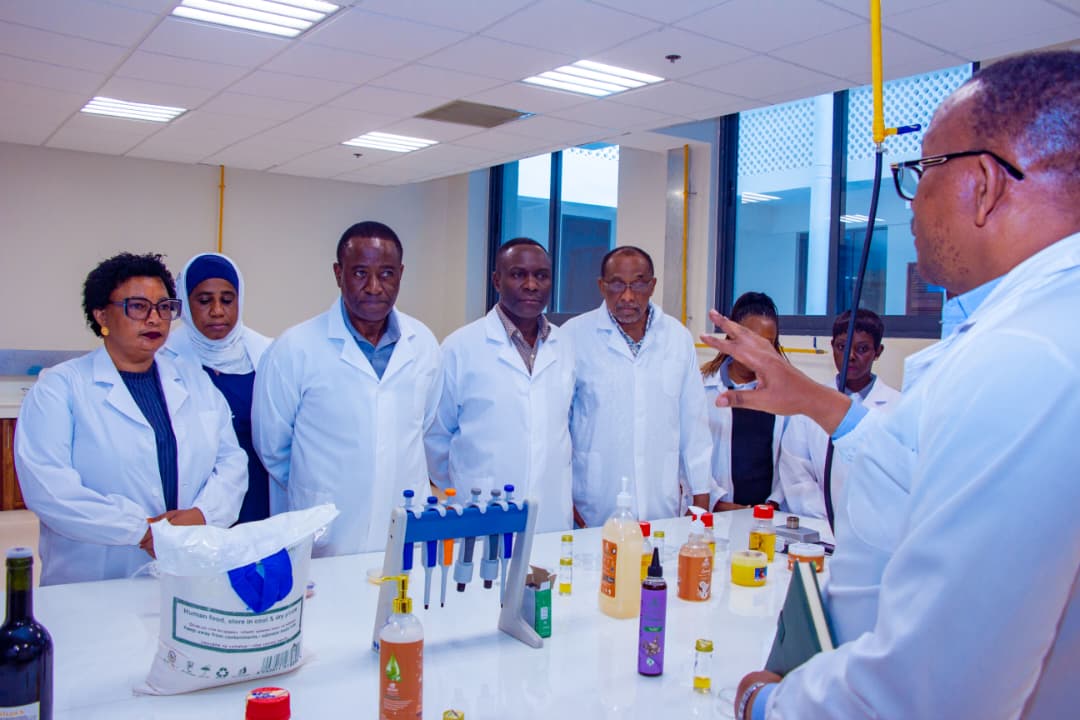
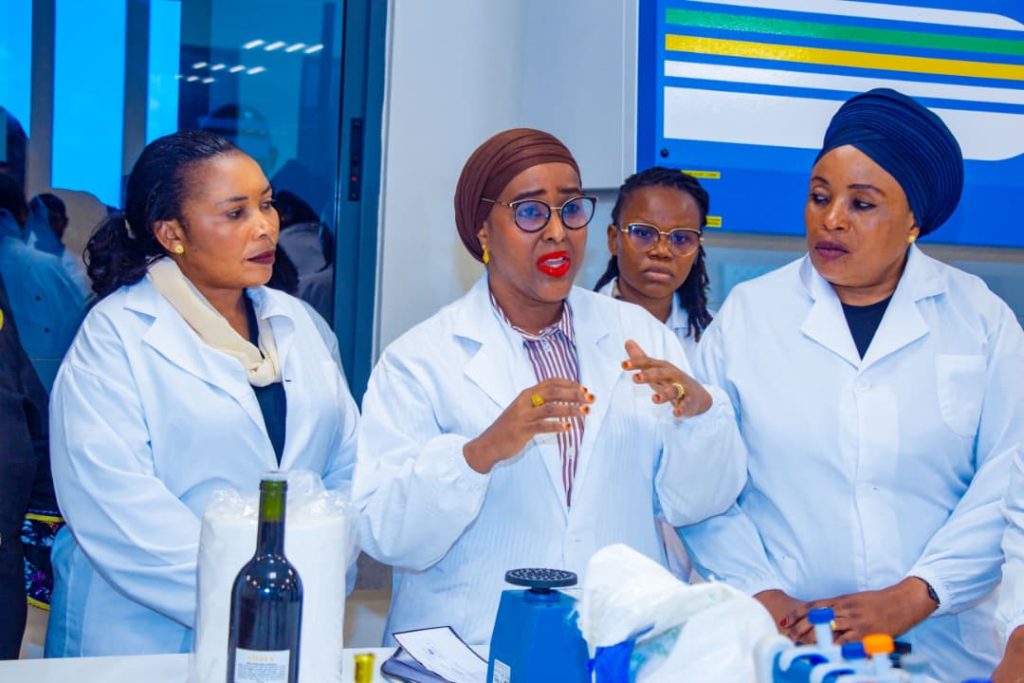
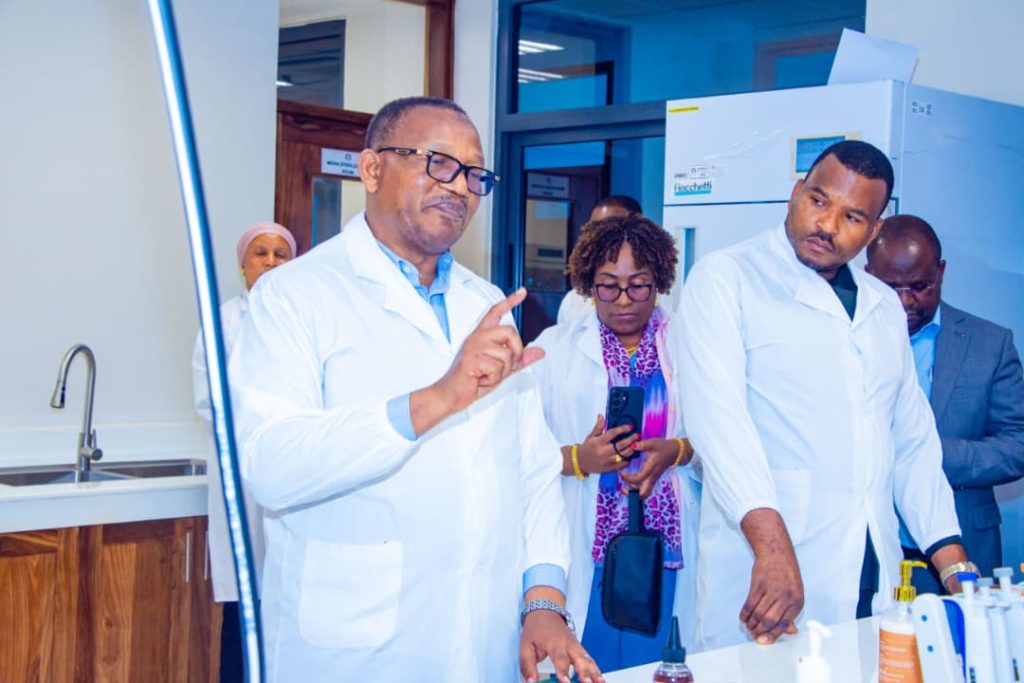
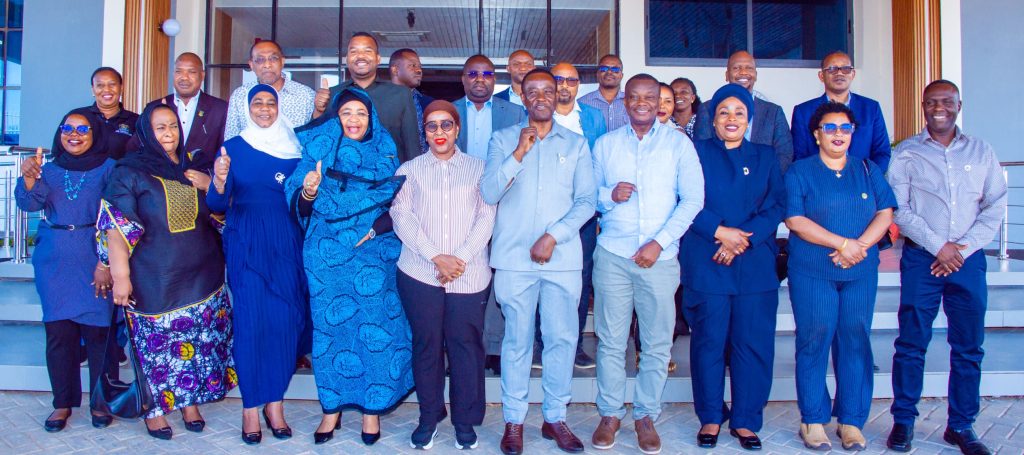
Kamati ya Kudumu ya Bunge ya Viwanda, Biashara, Kilimo na Mifugo imeridhishwa na ubora wa jengo la Shirika la Viwango Tanzania (TBS) lililopo Njedengwa, jijini Dodoma, ikieleza kuwa uwekezaji huo utaongeza ufanisi katika utoaji huduma za upimaji na na kusogeza huduma karibu
Mwenyekiti wa kamati hiyo, Mhe.Deodatus Mwanyika,ameyasema hayo baada ya wajumbe wa kamati hiyo kutembelea jengo hilo na kukagua maabara pamoja na vifaa vilivyofungwa kwa ajili ya utoaji wa huduma za upimaji na uhakiki wa ubora wa bidhaa. Alisema ziara hiyo ni sehemu ya majukumu ya Bunge ya kuisimamia Serikali kupitia Wizara ya Viwanda na Biashara, ikiwemo kufuatilia utekelezaji wa miradi iliyopangiwa na kupitishiwa bajeti.
Amesema lengo la ziara hiyo halikuwa kukagua jengo pekee, bali pia kujionea matumizi ya fedha za umma, ubora wa ujenzi, vifaa vilivyonunuliwa, shughuli zinazofanyika na uwepo wa wataalamu wanaotekeleza majukumu ya shirika hilo. Alieleza kuwa kamati imeridhishwa na kiwango cha ujenzi pamoja na ubora wa vifaa vilivyowekwa katika maabara hizo.
"Uwekezaji huo ni muhimu katika kuijenga TBS imara yenye uwezo wa kukabiliana na ushindani wa soko, kulinda viwanda vya ndani dhidi ya bidhaa zisizokidhi viwango na kuhakikisha bidhaa zinazotumiwa na Watanzania ni bora na salama. Alisisitiza kuwa mafanikio hayo yanahitaji pia kuwa na wafanyakazi wenye ujuzi, vifaa vya uhakika na mazingira bora ya kufanyia kazi."amesema Mhe.Mwanyika
Amesema baada ya kujionea kazi iliyofanyika na uwezo wa miundombinu hiyo, kamati imeridhishwa na uwekezaji huo na kuhimiza kuendelea kwa kazi ili kuhakikisha TBS inatekeleza majukumu yake kwa ufanisi.
Ameongeza kuwa kuimarika kwa shirika hilo kutachangia kulinda afya za wananchi, kuimarisha ubora wa bidhaa na kuongeza ushindani wa viwanda vya Tanzania katika soko la ndani na la kimataifa.
Naye Mkurugenzi Mkuu wa TBS, Dkt. Ashura Katunzi, amesema ziara hiyo ya kamati ya bunge imekuwa fursa kwa wajumbe wa kamati kujionea utekelezaji wa uwekezaji uliofanywa na Serikali katika kuboresha mazingira ya kazi ya TBS, hususan ujenzi wa jengo na uboreshaji wa maabara zinazowezesha shirika hilo kutoa huduma za kitaalamu kwa wadau wake.
Dkt.Katunzi ametoa shukrani kwa Rais Samia Suluhu Hassan pamoja na Waziri wa Viwanda na Biashara, Mhe.Judith Salvio Kapinga, kwa kuwezesha uwekezaji huo, ambao amesema umeimarisha uwezo wa TBS kutoa huduma karibu zaidi na wananchi na kuongeza ufanisi katika shughuli zake za kila siku.
"Kukamilika kwa jengo hilo na kuwepo kwa maabara hizo jijini Dodoma ni hatua muhimu katika kusogeza huduma za kitaalamu karibu na wateja, kupunguza changamoto za upatikanaji wa huduma na kuwezesha shughuli za upimaji wa ubora wa bidhaa kufanyika kwa ufanisi zaidi."amesema Dkt.Katunzi
Amesisitiza kuwa TBS itaendelea kuboresha huduma zake ili kusaidia ukuaji wa sekta ya viwanda na biashara nchini, kwa kuhakikisha bidhaa zinazozalishwa ndani ya nchi na zinazoingia sokoni zinazingatia viwango vinavyotakiwa, kwa lengo la kulinda afya, usalama na maslahi ya walaji.
Hata hivyo ametoa wito kwa wananchi, wazalishaji na wafanyabiashara kutumia huduma zinazopatikana katika ofisi za TBS jijini Dodoma, akieleza kuwa shirika hilo litaendelea kujizatiti kutoa huduma bora, za kuaminika na zinazokidhi mahitaji ya wadau, sambamba na jukumu lake la kuhakikisha Watanzania wanapata bidhaa bora na salama.


Subscribe to:
Posts (Atom)
